A California Summer
Navneet Bhullar
1. generosity
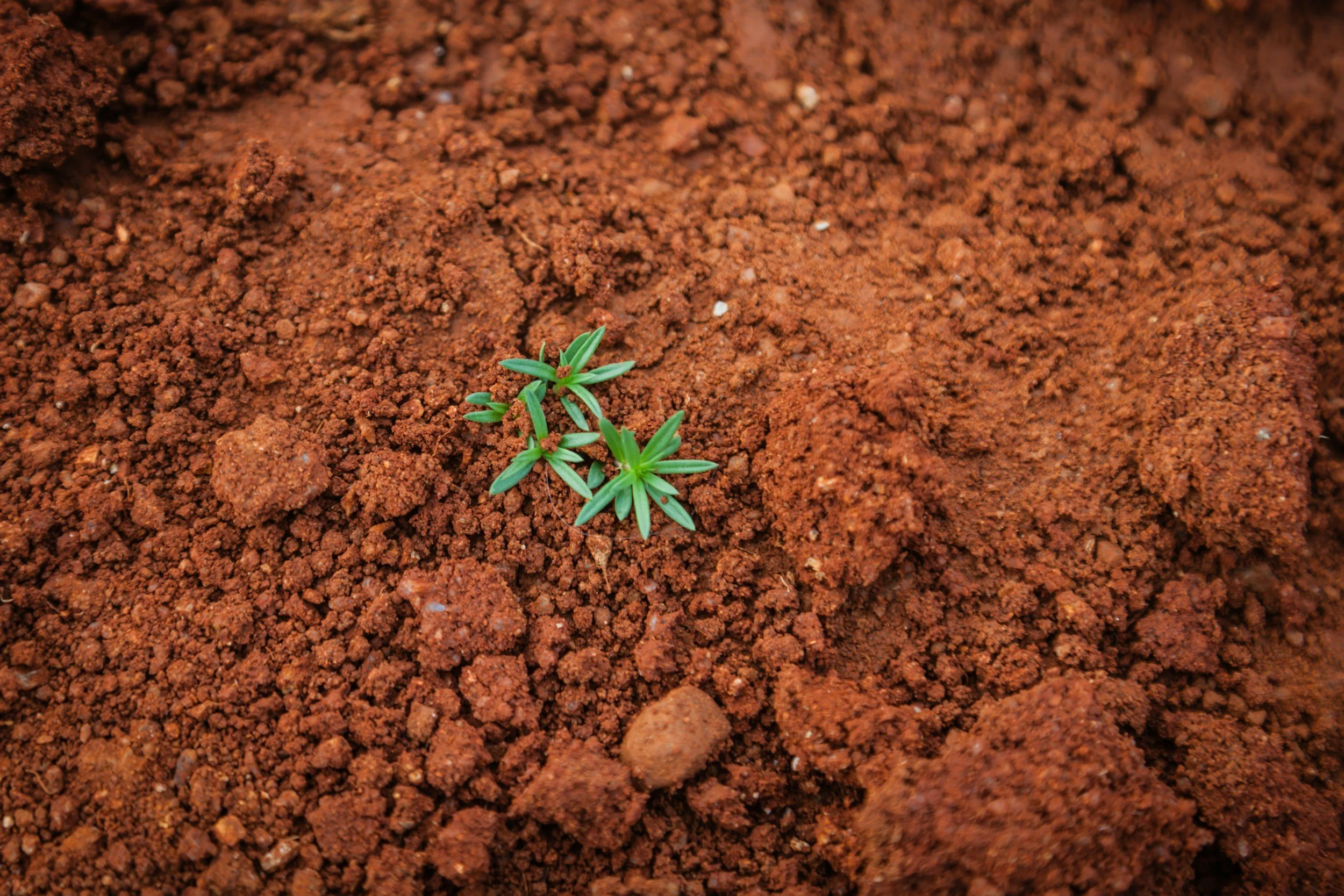
The soil is red and so dry that my toenails get coated by dust under sandal straps. I have to wear hiking boots to save a foot wash. I just want to sit and write or call my parents, not to wash feet in the late evenings. But I so yearn to be out with the trees. So hiking boots it has to be.
The road winding by Burney high school weaves into Sierra Pacific forest land on either side. I first heard about Sierra Pacific from a patient. It is a logging company he works for. There are a couple of these signs by the paved road as red dirt trails splay from it:
Sierra Pacific Lands
CLOSED
TO
PUBLIC ENTRY
Due to
Extreme Fire Danger
There is fire because there is forest. Forests, by their existence, reflect a magnanimity of the inhabitants. Even if planted to profit. That is what the Punjabi in me feels. There is no forest cover in Punjab now. Or minimal. In decades of drought in California, the trees still grow lush and vast. Burney is a border town in northern California. Elevation 3000 feet. Population 3373.
It borders Pit River reservation land where I have worked in the health centre this summer.
Behind my cottage by Burney Creek, a tall plum tree holds clusters of gold colored fruit that I have harvested many evenings at dinner. The tree has never been watered. Old shriveled fruit hangs on the lower branches now, the higher plump plums not within reach have to be shaken and then the plums roll into the grass like globs of tears. The creek always has water from underground springs hiding from human thieves. Later, I discovered two apple trees by my gravel driveway. Red pink apples. Golden apples. My mum asks that I eat one of each every day. She loves apples more than I ever have. Like mothers who never hold grudges, these fruit trees give even under physical duress.
My car is coated in dust. All summer, I have washed my side of the car with water gurgled out of the machine during laundry washes.
Hiking up old volcanoes and other peaks in this “intermountain” region, I have been sheltered by trees almost always. If there are no trees on a stretch, manzanitas grow on trails even in smokier, dustier, hotter Redding. When I must go to Redding, usually to worship, I pine to see again my waiting pines. They are mostly ponderosa I think, stationed like sentinels of varied sizes next to the road up to Burney.
The intermountain fair on Labor Day weekend had a flower show displayed. Two charts on wood sticks festooned mildly with balloons had in pink ink:
How sweet it is to Bring back the fun.
At the fair, I watched a demolition derby into the night – floodlit field with blaring music where old cars reassembled after past derby beatings revved and wrestled on the mud till one remained running. A very friendly Sagittarius woman on the bleachers with me insisted we women come next year for this derby- as participants.
The possibilities are endless in the golden state.
2. flames
All summer, I invited friends from the East Coast to visit. One did come late July. I drove her one evening an hour south to Lassen Volcanic national park. Just before we got to the unmanned entrance booth, we saw the easel sign with rainbows for fire danger warning. Today the needle was placed on the orange Very High, as it had been the last few times I had come here. Ten miles up the road in Lassen, the sun was setting and Lake Helen shone bright blue like a puddle of sky. The sunlight filtered through the scanty grove close to our parking lot. A man was calling it a day folding up his easel. He had been painting the mountains, his back to the lake. His was the only vehicle parked with ours. We took the Bumpass trail to watch the fumaroles- steaming geysers hissing on a palette of bright yellow, green, turquoise and gray earth, a bewitching scene that I had been part of some weeks before. Pistachio water flowed in a stream I had lingered by the last visit.
I took my friend’s picture on the wood path in this landscape, orange flames on the horizon behind her which one could easily mistake for a flaming sunset. Only after I saw the picture did I know these were flames from the Dixie fire that had started three weeks before. Our phones croaked with evacuation messages I asked her jauntily to ignore. I had also got these warnings two weeks ago when I had hiked part of the way up Mount Lassen and sat awed inside the old volcano’s crater. The warnings were for another county then. They were naming Lassen county now.
As we drove up in elevation past Lassen’s trailhead on our way out, it was nearly 9 pm. I stopped at a vista point to take in the moment. A forest fire was iridescent now in the darkness, burning trees orange red some miles off, in a valley to our right. Just like the movies.
My friend was too scared to look. She had escaped a forest fire days ago as we drove from the redwood coast and were diverted by one to an alternate road. In that photo by the hissing fumaroles some time earlier though, she smiles as she poses, a metaphor for earth’s inhabitants living as usual as catastrophe approaches, alarmed only momentarily by a hurricane close by or a hot day.
Two days later, Lassen was closed. The fire was inside the park now.
I hear either 50 or 60% of the park has burned. That our “favorite parts” are still intact. The Dixie fire special report on public radio does not tell me the extent of damage to the forests. Colleagues with fire fighters for friends do. Cal Fire stations nestle in groves by state highways 299 and 89, the latter is named the volcanic legacy highway. The stations are always single story wood structures, like nearly all the houses here. I surmise it is easier to rebuild a single story.
Why waste wood?
A colleague at work in the clinic had told me that animals escaping the fires were being sighted in town and around. He had seen big cat paws by his backyard pond. In my hike by Crystal Lake close by that Sunday, a camper warned me to look out for mountain lions. I saw a sign explaining how to react to cougars (mountain lions). Never hike or bike alone when in cougar country. Show them you are boss– never bend even to lift a stone. Open your jacket if wearing one.
“Pick small children up without bending. If attacked, fight back from a standing position with everything possible.”
Always standing. California is like no place on the eastern US seaboard.
Co-existence with nature is the theme. Campsites need reservations. There are metal bear lockers for your food (I have not seen one in the east and have never used one here). I enjoy camping but it is one outdoor activity I would never do alone in Pennsylvania or anywhere else. This summer, I have. I drove once to a trail head with a place to put up a tent and camped with no humans or habitation for some miles.
One night in the Trinity Alps by Stuart Fork creek, I had some anxious moments as a human head light approached my campsite and then walked past to the bathroom hut. Next morning I learnt two other women were solo camping too. One of them had been that light.
You see, I had been too tired to open my tent. Having arrived late Friday night after work, I just spread my sleeping bag on the picnic table and pretended to sleep as the light passed me.
Bustling creeks have gushed by my tent site in the night like they have for millennia.
Insects fall silent in the night.
I blink to correct my myopic vision and see stars close to the roof of my tent for a flash.
Before I bought a filter, backpackers I had never met before, poured their filtered water into my bottles.
A 75 year old hiker, who has become a friend from a hiking meet-up group, can backpack 10 miles a day on rising and falling terrain. He has promised me one last backpack in the Trinity Alps before I leave, fires permitting.
I have met three people whose homes have been razed by past years’ forest fires. All three rebuilt right on the same plot.
3. relics
I drive two Mondays each month to Alturas, county seat of Modoc in high desert to the northeast close to Nevada as well as Oregon. I love this 100 mile drive.
Jane, our outreach nurse there, calls it the last frontier. It is a treeless landscape which reminds me of my mother’s birthplace at the edge of the Thar desert in India. Alturas is so remote patients have to drive three hours to the closest specialist when they need one – to Medford or Redding. Don drives a booming motor cycle with his oxygen on and greets me in the parking lot. I have seen him on every visit to the clinic. His is always a 10 o’clock appointment, my time to get there. Don has advanced lung disease, an irregular heart rhythm and early dementia. He lives in his trailer alone, his son in Sacramento has not visited in three years. Don one day showed up with a bandage on his hand from lifting a forty gallon tank from his neighbor’s home to his. He is digging a well of his own and Jane is trying to help with manpower.
I visited the Modoc museum one August afternoon there. Alturas was the entry point into California for white men from British Columbia via Oregon on the Applegate trail that passed through here. Later, homestead grants were given out to encourage families to come west. There were family portraits displayed in the museum, mostly white.
On one wall, there were deer and antelope heads. A photograph of a white woman next to one deer head declared she was Maud, Sheriff Server’s wife. She had shot this 200 pound deer in the 1950s after recovering from polio, still not able to stand. She is photographed on what looks like a high chair. Cannot walk, but out in nature with aplomb and a gun!
One museum section was devoted to the history of Chinese settlers with objects they introduced and used. Chinese scales, a teapot, the abacus.
There was information on cougars, with phone numbers in the area to call if one is sighted.
California Reports, a radio documentary, had a segment yesterday where they traced the domestic violence in northern California tribes to the trauma of colonisations. In the gold rush, white Americans were legally allowed to enslave Indians they captured. Kids were indentured slaves after their parents were slaughtered in front of their eyes. They did not know how to parent later. Now there is a Wellness Court to try people penalised for domestic violence perpetrators, whether native or not. Half of native women and a fifth of native men have experienced domestic violence. Historical trauma embedded in native psyches has ruptured families also through alcohol use and other substance addictions.
By the Pacific Ocean southwest of the Hoopa reservation, one drives parallel to Highway 101 into the Avenue of the Redwoods from Pepperswood to Phillipsville.
Save the Redwoods League had a message on one board by the redwoods grove named after John Rockefeller.
“California state parks are mindful of the fact that early conservationists equated saving big trees with preserving white supremacy----though we value their conservation efforts, we fully reject their racist ideology.”
4. therapy
I have visited a remote Indian reservation clinic on Quartz Valley reservation. It took forty minutes of driving from Yreka, a town on interstate 5 going north towards Oregon.
In the clinic’s sprawling premises, I met Laurie, a certified equine therapist and family and marital counselor who gets her horses everyday to this behavioral health unit. In a fenced enclosure stood Jackson and Bo, the two horses at work today. Jackson wore a bride-like black veil over half his face hung with loops around his ears. It was a black net keeping away flies from his eyes. Laurie told me of kids and adults who talk to the horses, then walk with them. Let all your anxiety enter the earth, she tells her clients.
With this premise, riding a horse or walking with it treats human anxiety. Laurie told me the horse’s past trauma also heals with the client’s. One must consider the horse’s mental health, she emphasized endearingly.
Jackson stood this morning at his gate ready to go drive here she told me. She plans which horses out of her brood she will take to work to soothe clients according to their personality match with a client’s mental health diagnosis.
Out east in the US, while animal therapy is used in autism, it is rare to see it in mainstream psychotherapy.
Horses stand in backyards and canter on roadsides here in northern California. They are part of trail signs along with the hiking stick man and a biker. It seems only natural to use them in mutual healing with their human friends.
Laurie named breeds of horses as if they were dogs. She described nuances of gallops- how a brood with foal’s gallop under distress is different from a happy and relaxed gallop. It was hard to stop her talking.
The vegan in me was especially heartened to hear that at the beginning of next year, California will begin enforcing an animal welfare proposition approved overwhelmingly by voters in 2018 that requires more space for breeding pigs, egg-laying chickens, and veal calves. National veal and egg producers are optimistic they can meet the new standards, but only 4% of hog operations now comply with the new rules. Unless the courts intervene or the state temporarily allows non-compliant meat to be sold in the state, California will lose almost all of its pork supply, much of which comes from Iowa.
California slips higher in my esteem. Living here is therapy. An oasis in a meat-eating continent, it is trying when no other place seems to give meat eating one thought.
And oh- only here have I seen deer look around, wait for cars to pass and then cross the road.
5. activism
In my reservation clinic, we have training for clinicians to manage multiple substance addictions. Nearly every patient I see smokes marijuana. Alcohol use disorder is rampant across age groups. Opioid addiction treatments pioneered by doctors in bay area hospitals are sent to orient and train us.
Out east, addiction medicine is a specialty walled off like a fort from regular medicine, and patients sometimes sink in its moat before they can access it.
At my workplace, the medical assistant is using blank sides of printed papers to print my patient lists each morning. She also keeps all paper without patient names for me to use blank sides for my writing drafts. Never happened to me before at work anywhere in this country. I just told her once like I have to countless colleagues what a waste of paper we indulge in.
Public radio’s girl has many mornings this summer announced “earthjustice.org, because the earth needs a good lawyer”. I tell this to the lawyer in India who is helping me file a petition in the high court to enforce the ban on single use plastic in Punjab. I have traveled much of North America but never run into a concept like earth justice on mainstream media. I have also heard of a plastic waste activism entity recently on the same radio station.
July was the world’s hottest month since records began. Worldwide.
I would drive to Lassen every other weekend before it closed on August 6, exploring a new part of the park each time, introducing visitors to the outdoor museum which explains the last eruption of 1915 with rocks and pictures. I have not been there in five weeks as it remains closed due to the Dixie fire. I miss it. I want to see it and soothe it.
In a summer interview for his podcast, our (Punjab) NGO’s general secretary asked me how more people can be motivated towards climate activism. I said – by spending time outdoors. That way they would know what is being lost. He tried reframing the question a couple of times. I had the same answer, which was embarrassing when I watched the interview one day. Watching the interviewer’s frustrated expression, I wished I had time to read up some treatise on origins of major social justice movements. Now I believe my answer was the only answer.
Nearing the end of my time this year in California, sentences, in tattered flakes, wander on unjoined pages on my desk, like secrets without purpose.
I wish to assemble them in printers’ ink and in new hands, under fresh eyes to awaken across the States, and beyond, shared (climate and mental health) activism.
Quoting John Muir: “When I first caught sight of it over the braided folds of the Sacramento Valley, I was fifty miles away and afoot, alone and weary. Yet all my blood turned to wine, and I have not been weary since.”
He had sighted Mount Shasta.
In California, I have sighted hope for our planet.
Navneet Bhullar is a physician and disability activist working on her debut book, a memoir in essays on caregiving. Her poetry and essays have been published in Cagibi, Certain Age, Otherwise, Citron Review, Peregrine and elsewhere. She writes op-eds on her struggles against ecocide on Medium. She can be reached at areenmd@yahoo.com.